Heat Pump vs Boiler: Which Is Better for Bristol Homes?
By Sam Thomas
Choosing between a modern gas boiler and an air source heat pump is one of the most important heating decisions a Bristol homeowner can make. With the city’s diverse range of properties—from classic Victorian terraces and 1930s semis to contemporary new builds—there’s no one-size-fits-all answer. The best choice depends on your home’s construction, insulation levels, and your heating preferences.
Understanding how each system works and suits different property types will help you make the right decision for comfort, efficiency, and long-term savings.
How a gas boiler and heat pump actually work
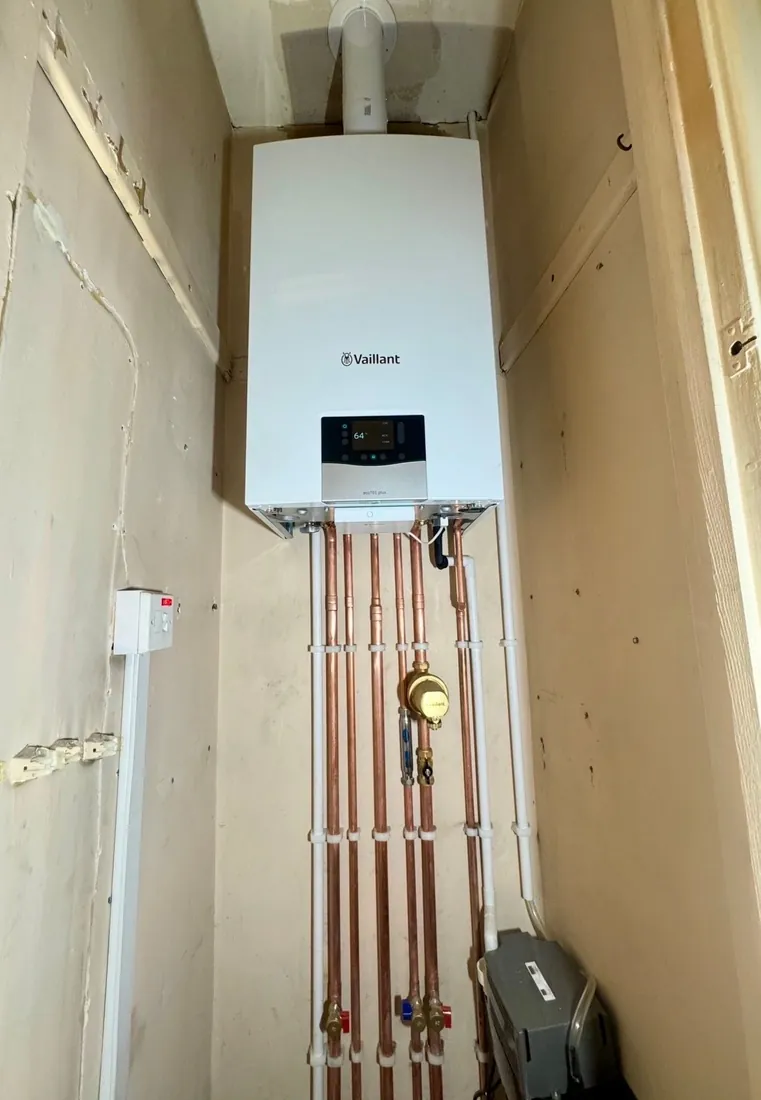
A gas boiler burns natural gas to heat water, which is then pumped through your radiators and hot water cylinder. It produces high-temperature water quite quickly, which is why traditional boilers feel so responsive when you turn the heating up.
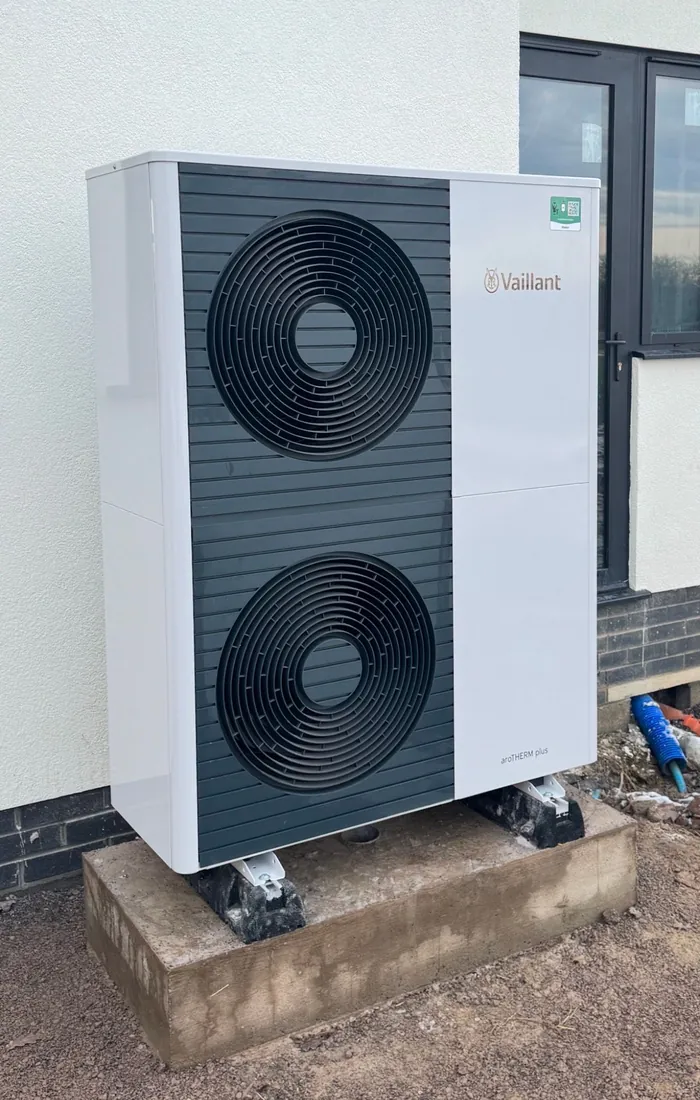
An air source heat pump works more like a fridge in reverse. It takes low-level heat from the outside air, compresses it, and upgrades it to a usable temperature for heating water. It uses electricity rather than burning fuel and is most efficient when it runs steadily at lower flow temperatures.
Boiler: High temperature, quick response, familiar controls
Heat pump: Lower temperature, steady running, more efficient when well designed
Both: Use radiators or underfloor heating to warm your rooms
Comfort, flow temperatures and radiator sizing
With a modern condensing boiler, flow temperatures are often set between 60 and 75°C. This allows existing radiators in many Bristol homes to feel very hot to the touch and warm rooms quickly, even if the property is not perfectly insulated.
Heat pumps usually work best at flow temperatures around 35 to 50°C. That lower temperature is efficient, but it means radiators need more surface area to deliver the same warmth. In practice, that can mean larger radiators, extra panels, or switching some rooms to underfloor heating.
Comfort with a heat pump usually feels more like a gentle, consistent background warmth rather than big swings between hot and cold. That suits many households, especially those at home most of the day. If you prefer very fast boosts of heat for short periods, a boiler can feel more familiar.
Space, outdoor units and noise considerations
A replacement boiler installation in Bristol will often fit in the same sort of space you have now, such as a kitchen cupboard, utility room or airing cupboard. You will still need room for flues and, in some cases, a hot water cylinder if you choose a system or regular boiler instead of a combi.
With an air source heat pump, you need space outdoors for the unit, plus room indoors for the hot water cylinder and associated pipework. The outdoor unit needs good airflow and should be placed where noise and appearance will not bother you or your neighbours.
Modern heat pumps are designed to be quiet, but you will hear a gentle fan and compressor sound when they run. Positioning, vibration pads and good installation all help keep this to a minimum. Boilers also make some noise, especially flues and pumps, but many people are already used to how they sound.
Insulation, heat loss and Bristol property types
Heat pumps perform best in homes with good insulation and low heat loss. Before a heat pump installation in Bristol, a proper heat loss calculation is essential to size the system, radiators and cylinder correctly. This is also useful for modern boiler systems, as it helps design more efficient, lower temperature heating.
Different Bristol homes typically have different starting points:
Victorian terraces: Solid walls, often draughty, but many have already had double glazing and loft insulation. They can work well with heat pumps if you improve insulation, seal draughts and upgrade radiators where needed.
1930s semis: Often cavity walls, larger gardens and more space for outdoor units. With reasonable insulation and some radiator upsizing, they are often good candidates for either a high efficiency boiler or a heat pump.
Newer builds and flats: Better insulation from the start and smaller heat demand. These can be extremely well suited to heat pumps, especially where underfloor heating is already in place.
For older or more complex properties, a detailed survey and room-by-room heat loss assessment is the best starting point, regardless of whether you choose a boiler or a heat pump.
Checklist: are you better suited to a heat pump or a boiler?
You may suit a heat pump if…
Heat pumps can be an excellent choice where the home and lifestyle match how they work best. You are more likely to be suited to a heat pump if several of these apply:
You may suit a heat pump if:
Your home is well insulated or you are happy to invest in insulation and draught proofing
You have space for an outdoor unit and a hot water cylinder indoors
You like steady background warmth rather than short, sharp heating bursts
You are planning long term and want a low carbon heating option
You are willing to upgrade some radiators or add underfloor heating where required
You may suit a boiler if…
A high efficiency gas boiler remains a practical option for many Bristol homes. You may lean towards boiler installation in Bristol if these points sound familiar:
Your insulation is limited and hard to improve, for example in some solid wall or listed buildings
You rely on very quick warm ups and only run the heating for short periods
You have very limited outdoor space or no suitable location for a heat pump unit
You prefer a more conventional system with minimal changes to existing radiators
You are not ready to change your hot water cylinder arrangements or add one
Thinking about a hybrid heat pump and boiler setup
A hybrid system combines a heat pump with a gas boiler so they can work together. In simple terms, the heat pump covers most of the heating during milder weather, and the boiler steps in during the coldest periods or when you need hotter water quickly.
This approach can reduce gas use and carbon emissions while still reassuring you of a boiler for peak demand. It can also be useful in homes that are hard to insulate fully, or where you want to phase changes over time rather than switch completely in one go.
A proper control strategy is important for hybrids, so the system automatically chooses the most efficient heat source at any given time. A survey will help decide if a hybrid is a sensible balance for your particular home.
More From Our Blog
Next steps: survey, heat loss assessment and tailored advice
Choosing between a modern gas boiler and an air source heat pump is one of the most important heating decisions a Bristol homeowner can make. With the city’s diverse range of properties—from classic Victorian terraces and 1930s semis to contemporary new builds—there’s no one-size-fits-all answer. The best choice depends on your home’s construction, insulation levels, and your heating preferences.
Understanding how each system works and suits different property types will help you make the right decision for comfort, efficiency, and long-term savings.
How a gas boiler and heat pump actually work
A gas boiler burns natural gas to heat water, which is then pumped through your radiators and hot water cylinder. It produces high-temperature water quite quickly, which is why traditional boilers feel so responsive when you turn the heating up.
An air source heat pump works more like a fridge in reverse. It takes low-level heat from the outside air, compresses it, and upgrades it to a usable temperature for heating water. It uses electricity rather than burning fuel and is most efficient when it runs steadily at lower flow temperatures.
Boiler: High temperature, quick response, familiar controls
Heat pump: Lower temperature, steady running, more efficient when well designed
Both: Use radiators or underfloor heating to warm your rooms
Comfort, flow temperatures and radiator sizing
With a modern condensing boiler, flow temperatures are often set between 60 and 75°C. This allows existing radiators in many Bristol homes to feel very hot to the touch and warm rooms quickly, even if the property is not perfectly insulated.
Heat pumps usually work best at flow temperatures around 35 to 50°C. That lower temperature is efficient, but it means radiators need more surface area to deliver the same warmth. In practice, that can mean larger radiators, extra panels, or switching some rooms to underfloor heating.
Comfort with a heat pump usually feels more like a gentle, consistent background warmth rather than big swings between hot and cold. That suits many households, especially those at home most of the day. If you prefer very fast boosts of heat for short periods, a boiler can feel more familiar.
Space, outdoor units and noise considerations
A replacement boiler installation in Bristol will often fit in the same sort of space you have now, such as a kitchen cupboard, utility room or airing cupboard. You will still need room for flues and, in some cases, a hot water cylinder if you choose a system or regular boiler instead of a combi.
With an air source heat pump, you need space outdoors for the unit, plus room indoors for the hot water cylinder and associated pipework. The outdoor unit needs good airflow and should be placed where noise and appearance will not bother you or your neighbours.
Modern heat pumps are designed to be quiet, but you will hear a gentle fan and compressor sound when they run. Positioning, vibration pads and good installation all help keep this to a minimum. Boilers also make some noise, especially flues and pumps, but many people are already used to how they sound.
Insulation, heat loss and Bristol property types
Heat pumps perform best in homes with good insulation and low heat loss. Before a heat pump installation in Bristol, a proper heat loss calculation is essential to size the system, radiators and cylinder correctly. This is also useful for modern boiler systems, as it helps design more efficient, lower temperature heating.
Different Bristol homes typically have different starting points:
Victorian terraces: Solid walls, often draughty, but many have already had double glazing and loft insulation. They can work well with heat pumps if you improve insulation, seal draughts and upgrade radiators where needed.
1930s semis: Often cavity walls, larger gardens and more space for outdoor units. With reasonable insulation and some radiator upsizing, they are often good candidates for either a high efficiency boiler or a heat pump.
Newer builds and flats: Better insulation from the start and smaller heat demand. These can be extremely well suited to heat pumps, especially where underfloor heating is already in place.
For older or more complex properties, a detailed survey and room-by-room heat loss assessment is the best starting point, regardless of whether you choose a boiler or a heat pump.
Checklist: are you better suited to a heat pump or a boiler?
You may suit a heat pump if…
Heat pumps can be an excellent choice where the home and lifestyle match how they work best. You are more likely to be suited to a heat pump if several of these apply:
You may suit a heat pump if:
Your home is well insulated or you are happy to invest in insulation and draught proofing
You have space for an outdoor unit and a hot water cylinder indoors
You like steady background warmth rather than short, sharp heating bursts
You are planning long term and want a low carbon heating option
You are willing to upgrade some radiators or add underfloor heating where required
You may suit a boiler if…
A high efficiency gas boiler remains a practical option for many Bristol homes. You may lean towards boiler installation in Bristol if these points sound familiar:
Your insulation is limited and hard to improve, for example in some solid wall or listed buildings
You rely on very quick warm ups and only run the heating for short periods
You have very limited outdoor space or no suitable location for a heat pump unit
You prefer a more conventional system with minimal changes to existing radiators
You are not ready to change your hot water cylinder arrangements or add one
Thinking about a hybrid heat pump and boiler setup
A hybrid system combines a heat pump with a gas boiler so they can work together. In simple terms, the heat pump covers most of the heating during milder weather, and the boiler steps in during the coldest periods or when you need hotter water quickly.
This approach can reduce gas use and carbon emissions while still reassuring you of a boiler for peak demand. It can also be useful in homes that are hard to insulate fully, or where you want to phase changes over time rather than switch completely in one go.
A proper control strategy is important for hybrids, so the system automatically chooses the most efficient heat source at any given time. A survey will help decide if a hybrid is a sensible balance for your particular home.
Next steps: survey, heat loss assessment and tailored advice
No two Bristol homes are identical, and the best approach for a Victorian terrace in Bedminster might be very different from a new build in Stoke Gifford. The most reliable way to choose between a heat pump and a boiler is to start with a site survey and a detailed heat loss assessment.
This will show how much heat your home actually needs, where you are losing it, what radiator or underfloor upgrades are required, and how a system should be sized. With that information, you can compare options for heat pump installation in Bristol or boiler installation in Bristol based on comfort and practicality, not guesswork.
If you would like clear, practical advice for your own home, SNT Plumbing and Heating can help. Arrange a survey and heat loss assessment, talk through options for heat pump installation or boiler installation, and get a heating design tailored to your property. To book a visit or ask a question, call SNT Plumbing and Heating on 07775504887.